


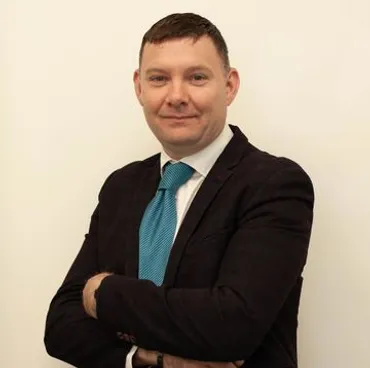
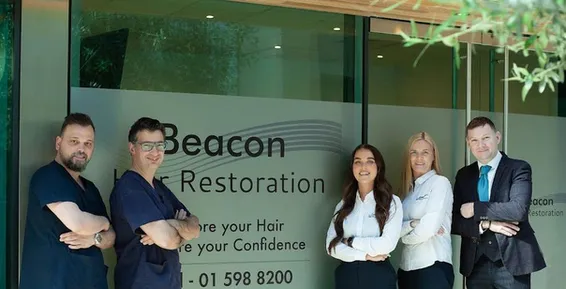
Mr Foleys vision has always been to change how society views hair loss and their attitude towards hair restoration. He wanted to show people they no longer have to suffer from hair and scalp disorders, it no longer has to be seen as the norm. He started his career in 2010 working for Beacon Medical Group managing a world leading hair restoration clinic before taking all his experience and expertise, and training in trichology and created Beacon Hair Restoration. A Dublin based clinic that offers the very latest technology available worldwide, where professionalism and customer service is always our number one priority. Today Beacon Hair Restoration have treated tens of thousands of patients at our clinic and are fast becoming the largest most successful hair restoration clinic in Ireland.Mr Foleys vision has always been to change how society views hair loss and their attitude towards hair restoration. He wanted to show people they no longer have to suffer from hair and scalp disorders, it no longer has to be seen as the norm.








FAQ
Am I a suitable candidate for a hair transplant surgery?
If you have significant hair loss, receding hairline, or thinning hair, you may be a candidate for a hair transplant. The best way to determine your candidacy is to consult with a hair transplant specialist who can assess your condition and recommend the most appropriate treatment plan.
What is a hair transplant surgery, and how does it work?
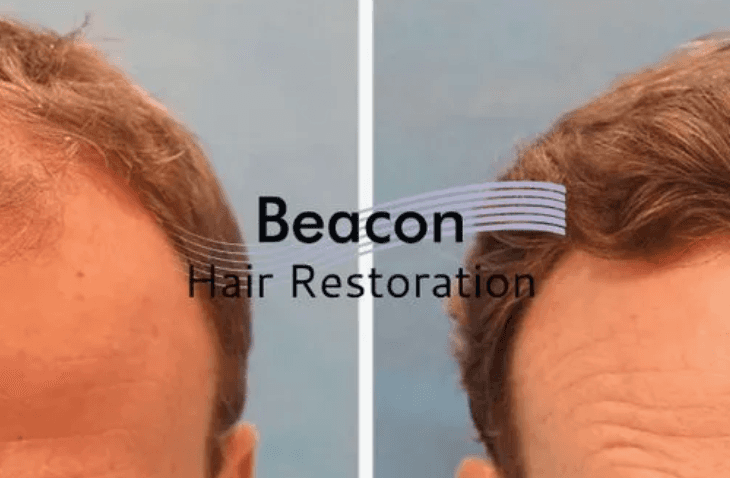
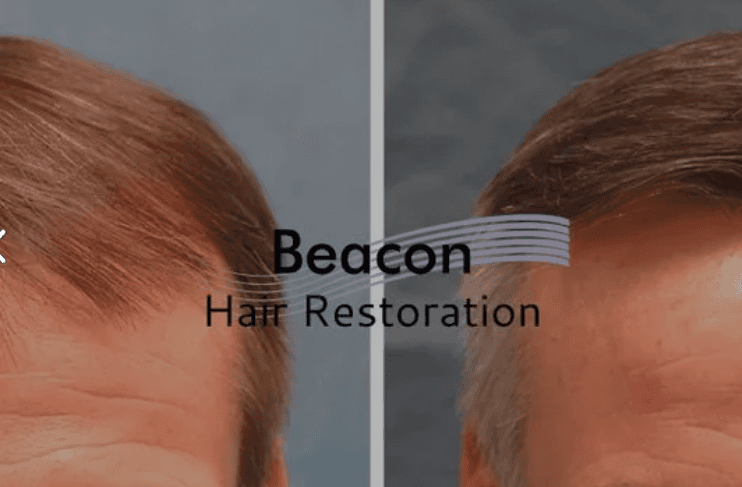
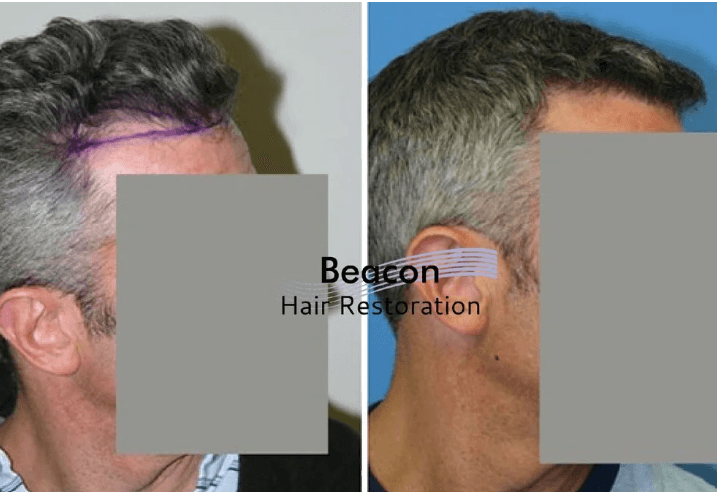
A hair transplant is a procedure where hair is taken from one part of the head, usually the back, and moved to areas where the hair is thinning or missing. The process involves carefully placing the hair in small openings to make it look natural. The new hair grows over time, and while recovery can take a few weeks, most people can get back to their routine in a few days to a week.
What is the recovery process like after a hair transplant surgery?
After the surgery, you may experience mild swelling and redness in the treated area, which should subside within a few days. The transplanted hair will fall out initially, but new hair growth will begin in the following months. Most patients can resume normal activities within a few days to a week.
What are the different types of hair transplant procedures available?
The most common hair transplant techniques are Follicular Unit Transplantation (FUT) and Follicular Unit Extraction (FUE). FUT involves removing a strip of hair-bearing skin, while FUE involves extracting individual hair follicles. Your surgeon will suggest the best method based on your specific needs.
Is hair transplant surgery painful?
Hair transplant surgery is usually performed under local anesthesia, which means you won't feel significant pain during the procedure. Some patients may experience mild discomfort or soreness after the surgery, but it can be managed with prescribed medication.
Suite 4, Beacon Orange Mall, Beacon Court, Beacon Medical Campus, Sandyford, Co. Dublin, Ireland
Get Direction